Our core philosophy here is centered on connection. Helping people reconnect to their authentic selves by healing trauma and finding balance in their lives. This inherently holistic point of view also means that we consider all of the ways in which the mind, body and spirit interact and support one another.
The Role of Nutrition in Our Mental Health
It may come as no surprise that nutrition plays a role in maintaining our physical and mental health. But most people vastly underestimate just how much of an influence the foods we eat can affect our moods, clarity of thought and even short and long-term memory.
The Connections Between Food and Mental Health
The food we consume can impact our mood, cognitive function, and overall mental health both indirectly and at a biological level. The brain requires specific nutrients to function optimally. These nutrients help produce neurotransmitters that regulate mood, memory, and cognitive function.
Nutrients for Healthy Brain Function
Omega-3 Fatty Acids
These essential fats are crucial for proper brain function and have been linked to improved mood and reduced depression symptoms. Good sources include fatty fish (salmon, mackerel, sardines), walnuts, flaxseeds, and chia seeds.
B Vitamins
B vitamins, particularly B6, B9 (folate), and B12, play a significant role in producing neurotransmitters like serotonin and dopamine. Sources include whole grains, legumes, leafy greens, animal proteins, and fortified cereals.
Vitamin D
This nutrient is necessary for various brain functions, including mood regulation. Low levels have been associated with depression and seasonal affective disorder.
Magnesium
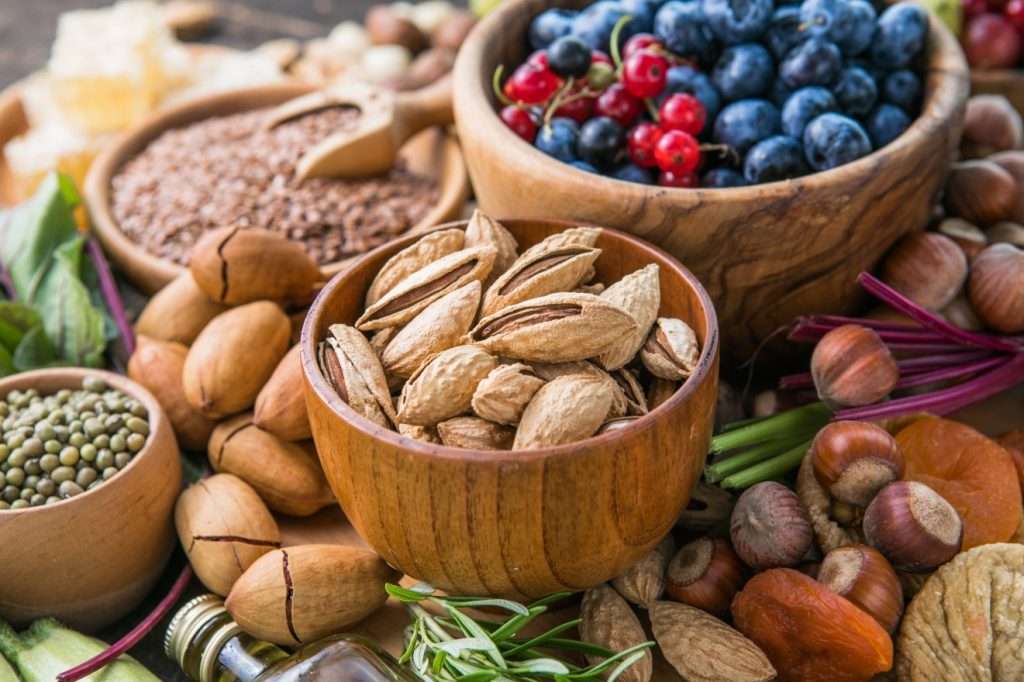
Magnesium is involved in numerous biochemical reactions related to mood regulation. Low levels have been linked to anxiety and depression. Good sources include leafy greens, nuts, seeds, whole grains, and legumes.
Tryptophan
This essential amino acid is a precursor to serotonin. Tryptophan can be found in turkey, chicken, eggs, dairy products, and soy products.
How to Support Your Mental Health with Nutrition
Eat a Balanced Diet
Focus on consuming a variety of nutrient-dense whole foods, including fruits, vegetables, whole grains, lean proteins, and healthy fats.
Prioritize Omega-3 Fatty Acids
Incorporate omega-3-rich foods or consider supplementation with high-quality fish oil or algae-based supplements.
Avoid Processed Foods
Limit processed, sugary, and high-fat foods, as they can contribute to inflammation and negatively impact mental health.
Drink Water
Dehydration can exacerbate fatigue and negatively affect mood. Aim to drink at least 8 cups of water per day.
Practice Mindful Eating
Pay attention to hunger and fullness cues, and eat slowly to savor each bite and reduce stress.
Healing Happens Here
Incorporating nutritional strategies can help individuals improve their mental well-being alongside other treatments. If you or someone you love is living with a mental health disorder, reach out to Reconnect at (310) 903-8349 or info@reconnectcenter.com.